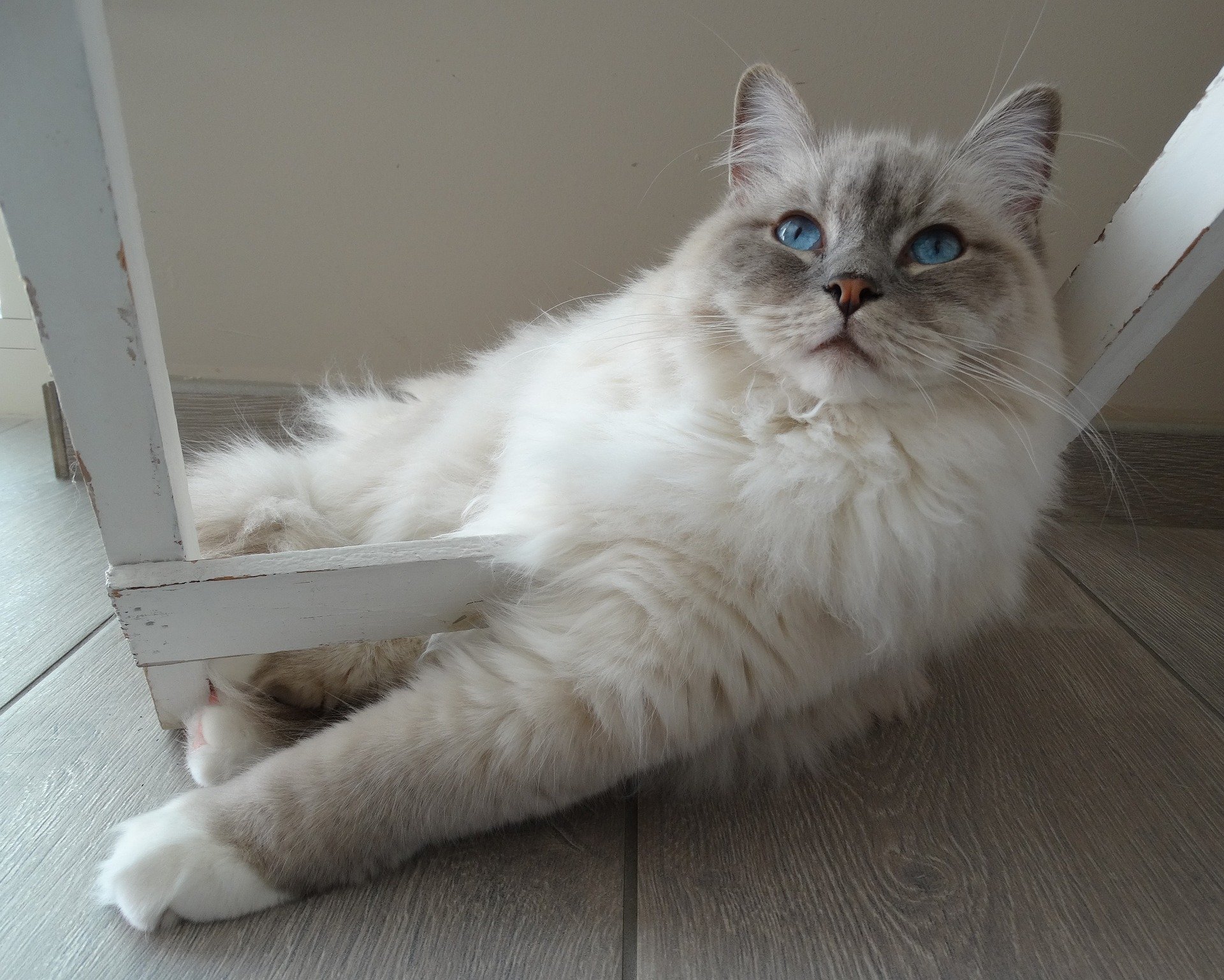
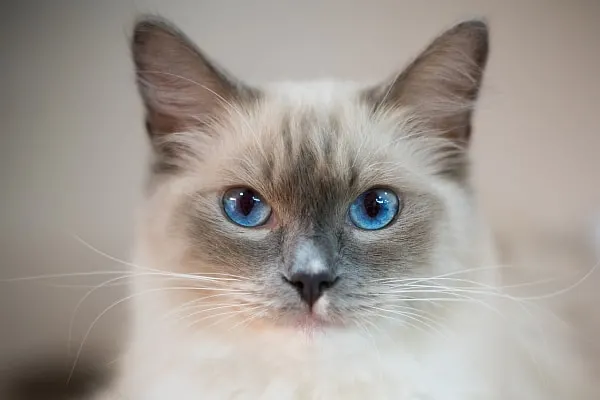
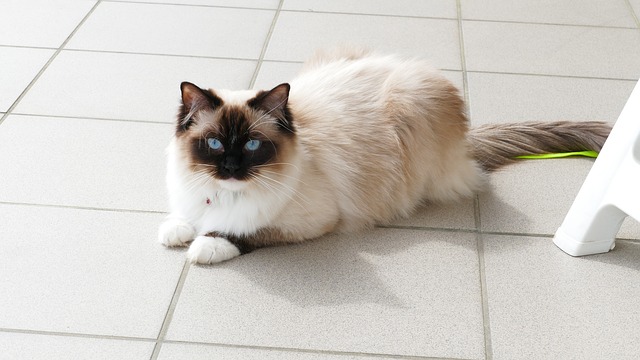
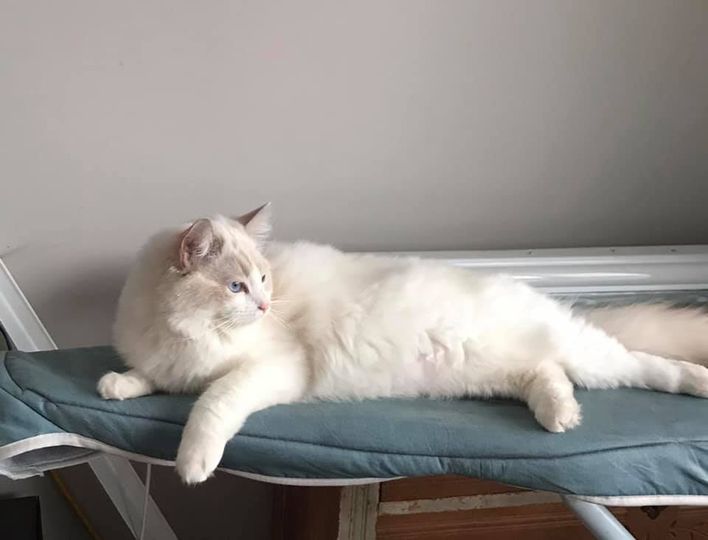
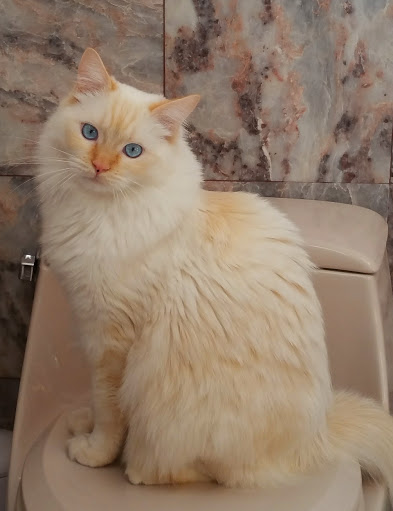
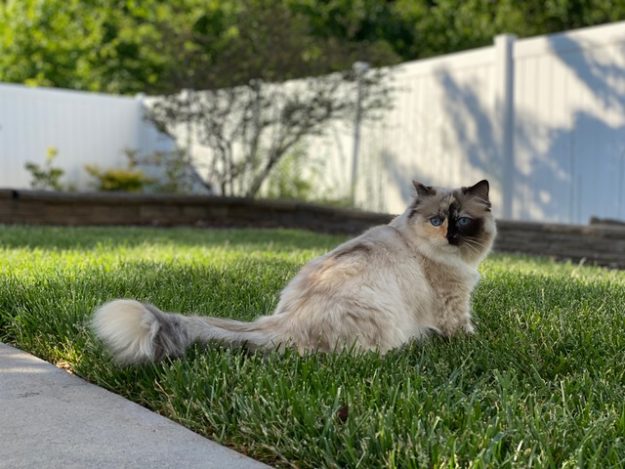
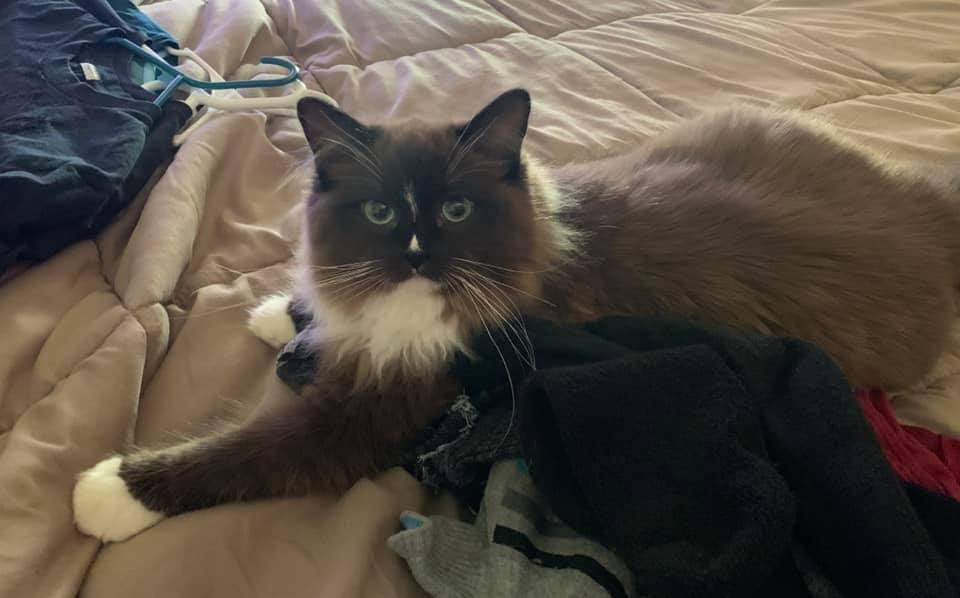
Ragdolls are known worldwide for their affectionate nature, stunning appearance, and intelligence. Beautiful eyes, soft luxurious fur, and a variety of coat colors make them extremely popular.
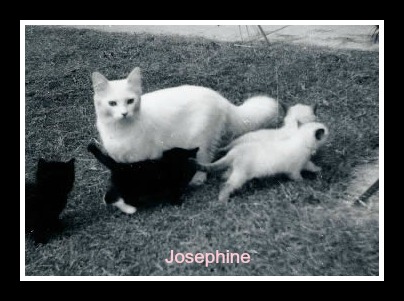
In the 1960s a longhaired cat named Josephine produced several litters. Ragdolls originated in Riverside, California with a woman named Ann Baker. Josephine, a Persian/Angora type, had litters sired by several male Birman/Burmese-like cats, one of which had the Siamese point coloration. All the kittens had docile, placid temperaments, affectionate natures, and a tendency to go limp and relaxed when picked up.
Subsequent litter produced more of the same. Ann Baker believed that she had something special. Set out to create what is now known as the Ragdoll. She selectively bred over many years for desirable traits, such as large size, gentle demeanor, pointed coloration, and a tendency to go limp when picked up.
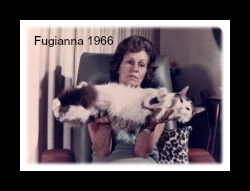
Out of those early litters came Blackie, an all black Burmese-like male, and Daddy Warbucks, a seal point with white feet. Daddy Warbucks sired the founding bi-color female Fugianna, and Blackie sired Buckwheat, a dark brown/black Burmese-like female. Both Fugianna and Buckwheat were daughters of Josephine. All Ragdolls are descended from Baker's cats through matings of Daddy Warbucks to Fugianna and Buckwheat.
Anne was extremely capitalistic. She tried to patent her Ragdoll breed, enacting a fee from anyone else breeding them. While we appreciate Anne for bringing about the Ragdoll breed, we are thankful other breeders took over establishing Ragdolls as a new breed. Breeders separated themselves from Anne and worked to establish the Ragdoll as a new breed; eligible for registration with the cat registries.

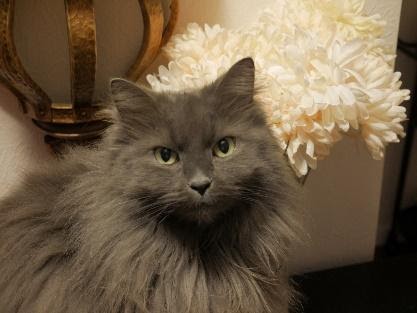
Most strangely the most well-known Ragdoll, which greatly enhanced public interest in Ragdolls in the 1990’s was NOT a Ragdoll - the internet sensation Grumpy Cat. While Grumpy Cat had the markings of your typical Ragdoll, he was of unknown mixed breeds. He had multiple genetic defects; producing his grumpy appearance, a large underbite and feline dwarfism. He became an internet sensation quickly, stirring a lot of interest in the color and markings typical of Ragdolls. Today Ragdolls retain their own fans based on their loving natures and NON grumpy appearance. Their beauty and loving natures have kept Ragdolls one of the 10 most popular cat breeds in the world.
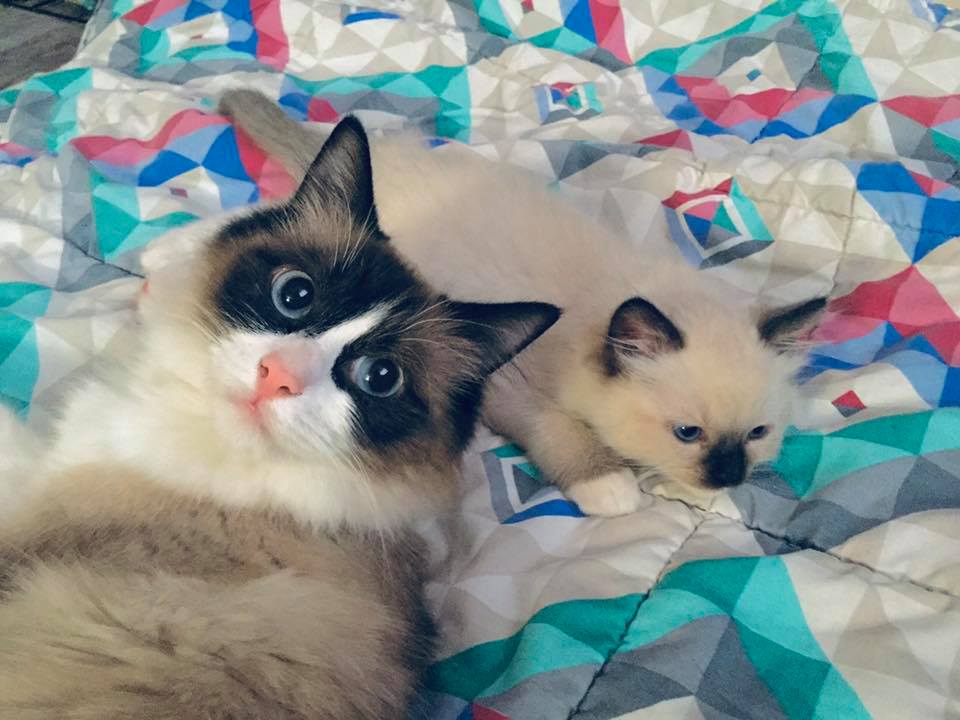
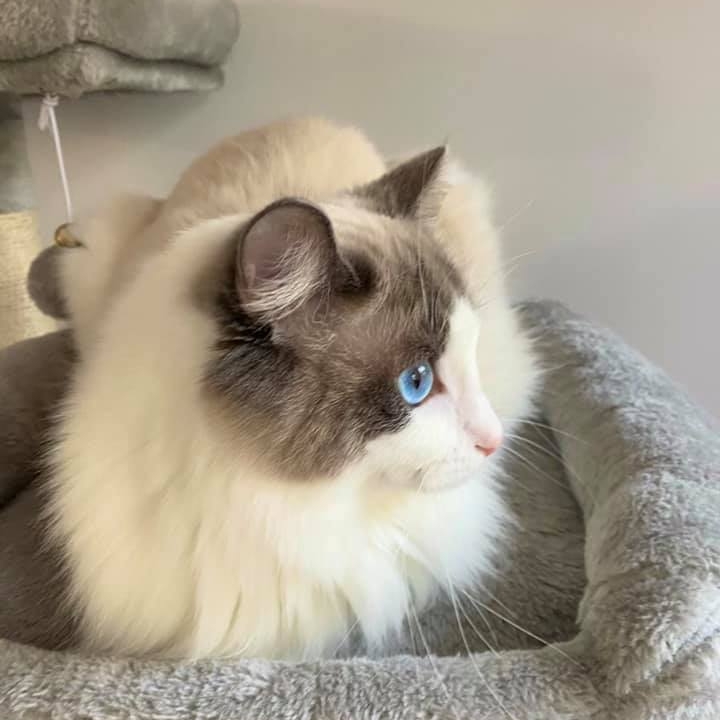
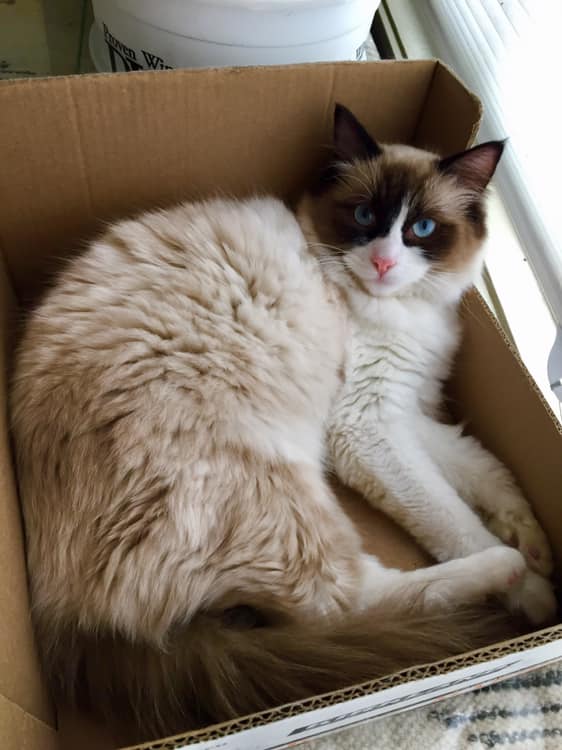
All Ragdolls get their color points from their Siamese/Birman heritage. The most known Ragdoll coloring and marking combination is called the Bicolor. We give you explanations of Ragdoll color and markings later, Bicolors are characterized by white markings overlaying the dark points. Bicolors have white boots, mitts, belly, bib, and a white V over the nose.
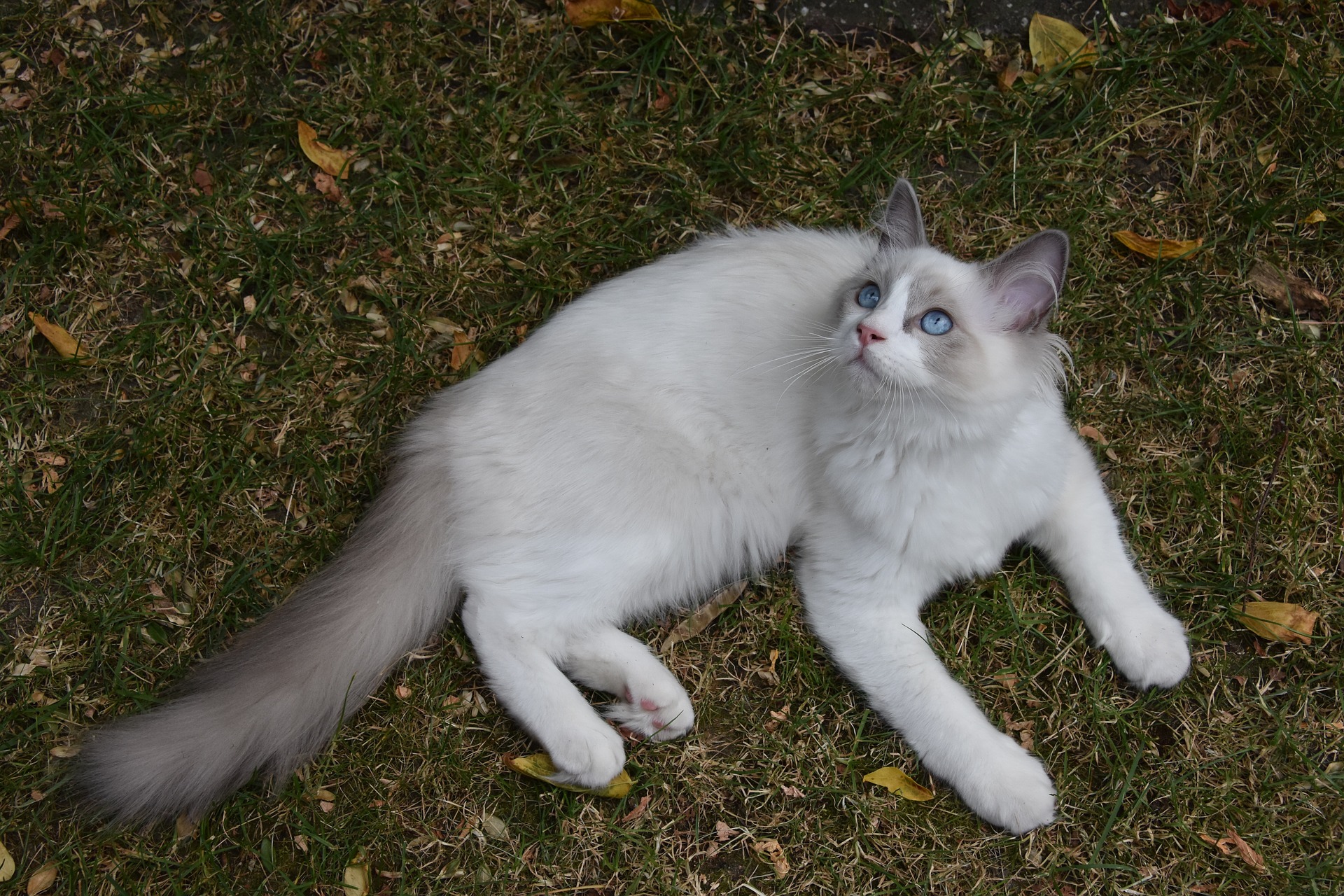
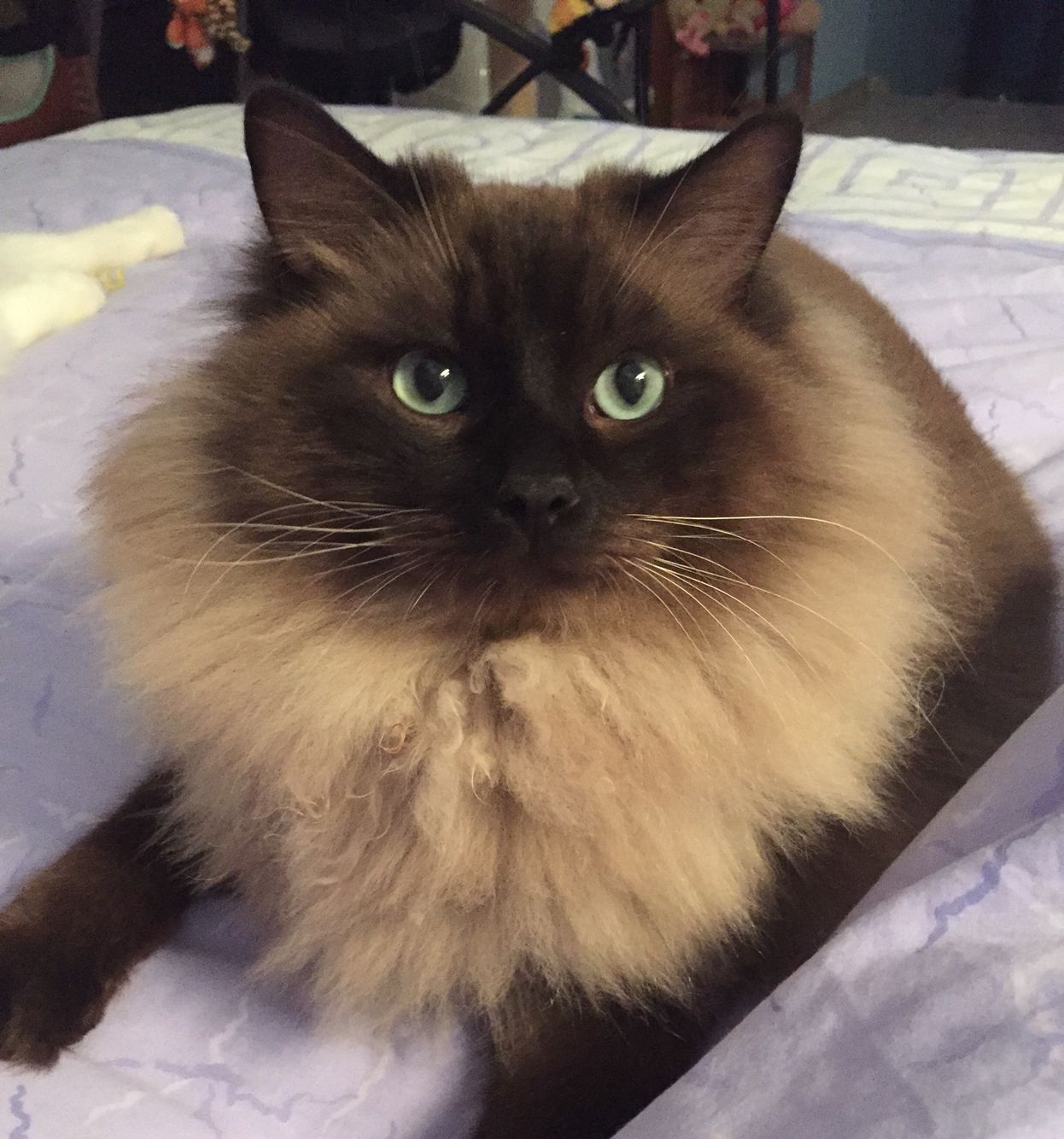
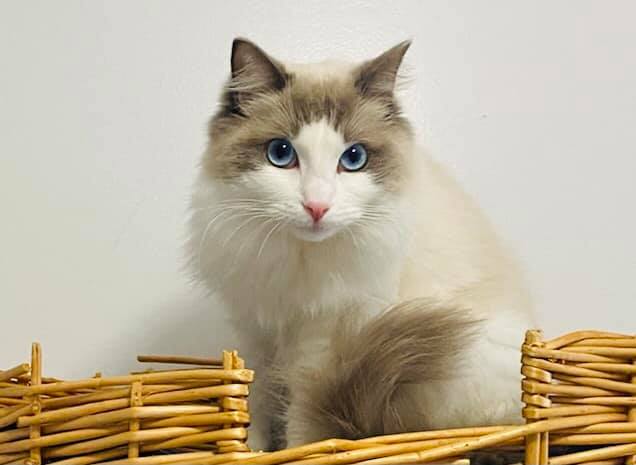
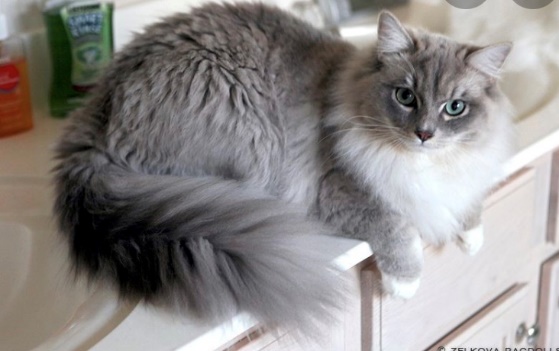
Unlike other cat’s eyes who change from Blue, most Ragdolls eyes stay an intense shade of Blue. Mink Ragdolls, where different combinations of the Birman gene can be expressed, usually have Aqua green eyes and a Lilac’s stunning, almost iridescent Blue. While Mink eyes can be gold, most are green. Non-Mink Ragdolls always have Blue eyes.
Ragdolls are most known for their laid back, dog-like personalities. This does not mean that kittens do not go through the usual period of getting the Zoomies and throwing you some attitude here and there, but for the most part they are weirdly easy to get along with. Unlike other cat breeds, Ragdolls LIKE to be with you. They are not aloof and tend to follow you around like a dog.
Ragdolls have extremely silky, luxurious fur to touch. It’s hard to describe until you feel it. Ragdolls lack the thick undercoat typical of other Long Hair breeds. The length of the hair strands is the same, but it is much easier to care for; rarely matting and requiring infrequent brushing or bathing. Since Minks have the plushest coat, I would recommend brushing those ones more frequently.
All Ragdolls are slow to mature. They become large cats with females attaining 10-15 lbs. and males 15-20 lbs. They do not attain full size, coat color or coat density until age 4. This means they get bigger, fluffier, and prettier…but it takes time!
Most Ragdolls are born completely white with their color developing over 3-4 years. After the first few week’s colors deepen and white markings become more apparent. The points become darker because of an interesting chemical change wherever the cat is a cooler temperature. Inside their mothers’ womb, they are kept a consistently warm temperature, and because of this they stay white. Once they leave the womb, everywhere else is a cooler temperature and this makes their fur become darker.
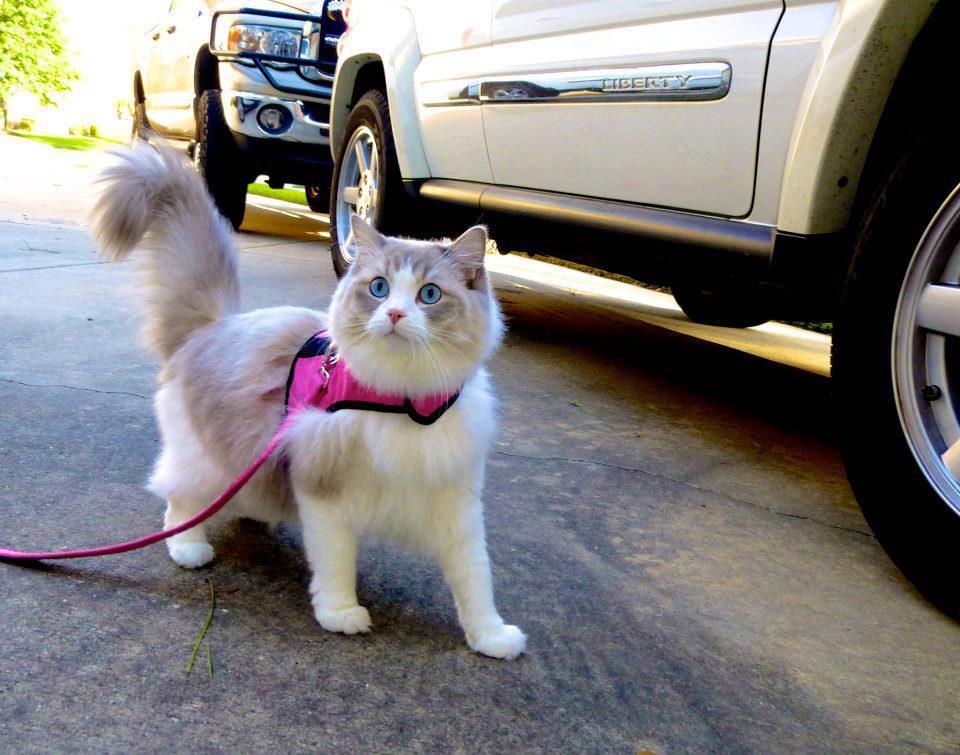
Highly intelligent, Ragdolls can be trained to do many things including to play fetch and be leash trained.
Despite some completely wrong rumors you find on the internet that Minks are not purebred Ragdolls; they absolutely are. While not show standard yet, they can be traced back to the original lines via DNA tests and registration records, all purebred Mink Ragdolls are recognized by Tica (The International Cat Association) as purebred Ragdolls. Some older breeders who focused their narrow breeding programs to only Bicolor and Mitted and no Minks complained bitterly online – creating these fake rumors. Minks are Ragdolls.